I was on my knees in the dirt at 7:10 a.m., rain still clinging to the oak leaves, knees soaked through my work pants, staring at a patch of stubborn brown that refuses to be anything other than a weed patch. Cars on Danforth hissed by. A TTC streetcar clanged somewhere three blocks away. I had just shut my phone off for the fourth time because the neighbor's dog started up and my patience was already thin.
You'd think after three weeks of deep dives into soil pH, shade-tolerant grasses, and lawn forums I would be calm. I am not calm. I am the 41-year-old tech worker who can measure a packet loss in my sleep but will admit, out loud, that I do not know the first thing about why Kentucky Bluegrass dies under a big oak tree. I almost bought $800 worth of premium seed that a slick store rep swore would "work anywhere." I have receipts. I have buyer's remorse nearly printed out.
How I almost threw away $800 and some sanity The rep's confidence was convincing. They showed glossy photos, talked fast, and said words like "blend" and "premium cultivar." I nearly handed over my card. Then, doom-scrolling at 2 a.m. And half-caffeinated, I stumbled on a hyper-local breakdown by. It read like someone from the neighborhood had written it — references to midtown shade angles, the clay-heavy soils common in older Toronto lots, and a frank statement: Kentucky Bluegrass is a sun grass. It needs full sun to thrive. That one sentence saved me about $800 and three weekends of scattering seed in the rain.
Before that, I had been doing what people do: searching for "family lawyer in Toronto" because of a different, unrelated adulting task, then drifting into lawn threads and forum subthreads. My brain divided itself between "should I call a family court lawyer near me about updating wills?" And "do I need to aerate before I seed?" It's not elegant. It's human.
The weirdest part of the problem — shade, roots, and ignorance If you picture the backyard, it's a classic older Toronto lot: big oak, shallow topsoil over compacted clay, and the kind of shade that starts at about 10 a.m. And only really lightens after 4 p.m. The oak's roots are everywhere. They suck moisture faster than I can water. When I kneel, I can smell damp wood, the sour edge of old mulch, and the faint diesel from a delivery truck idling on the street.
I learned three concrete things from that article by Look at more info and my late-night rabbit hole:
- Kentucky Bluegrass needs at least six to eight hours of direct sun; my backyard gives maybe two. Shade-tolerant mixes exist, but they are not cheap and you must match seed to soil, not to an ad. Soil pH matters; my spot sits around 6.2 and the oak has acidified the surrounding ground over decades.
That list doesn't feel like victory. The victory was being told, in simple local terms, why the seed I was about to buy would fail. It pointed me toward better options: fine fescue blends and microclover mixes that tolerate heavy shade and compete acceptably with the oak's roots. After reading that, my shopping list changed from "luxury blend" to "shade mix, small bag, test plot."
A minor confession about being overly analytical I'm ridiculous about testing things now. I dug three small patches, mixed in seed per labels, and timed watering like a laboratory. I used a cheap pH strip, the backyard smelled of wet earth and coffee stains, and I watched ants parade like tiny commuters across the test squares. Results are slow, which is humbling. Two weeks in, one patch looks like moss territory, one looks like faint green hairs, and the third—tiny, persistent—already shows promise.
Also, I never thought my life would include comparing "attorneys at law near me" results the way I compare seed reviews. But when I had to find a "family will lawyer near me" to update a simple will, I realized the same local nuance matters. A "free consultation family lawyer" may be fine, except in neighbourhoods with different court processes, or if you need a "family law office near me" that actually handles both wills and spousal sponsorship matters. I ended up using search terms that sounded like I was building a shopping list: "family solicitors near me," "family court lawyers near me," "immigration lawyer toronto," and yes, "sponsorship lawyer" for a neighbor who asked for a recommendation.
A morning phone call and a small, practical victory Yesterday I called a small family law firm in the Junction because I needed a quick question answered about powers of attorney. The receptionist sounded like someone who'd lived in Toronto for ages, the street noises in the background confirmed it. The lawyer gave me a 10-minute free consultation, clear, no pressure. It felt oddly parallel to the seed article: practical local advice, not some glossy sales pitch.
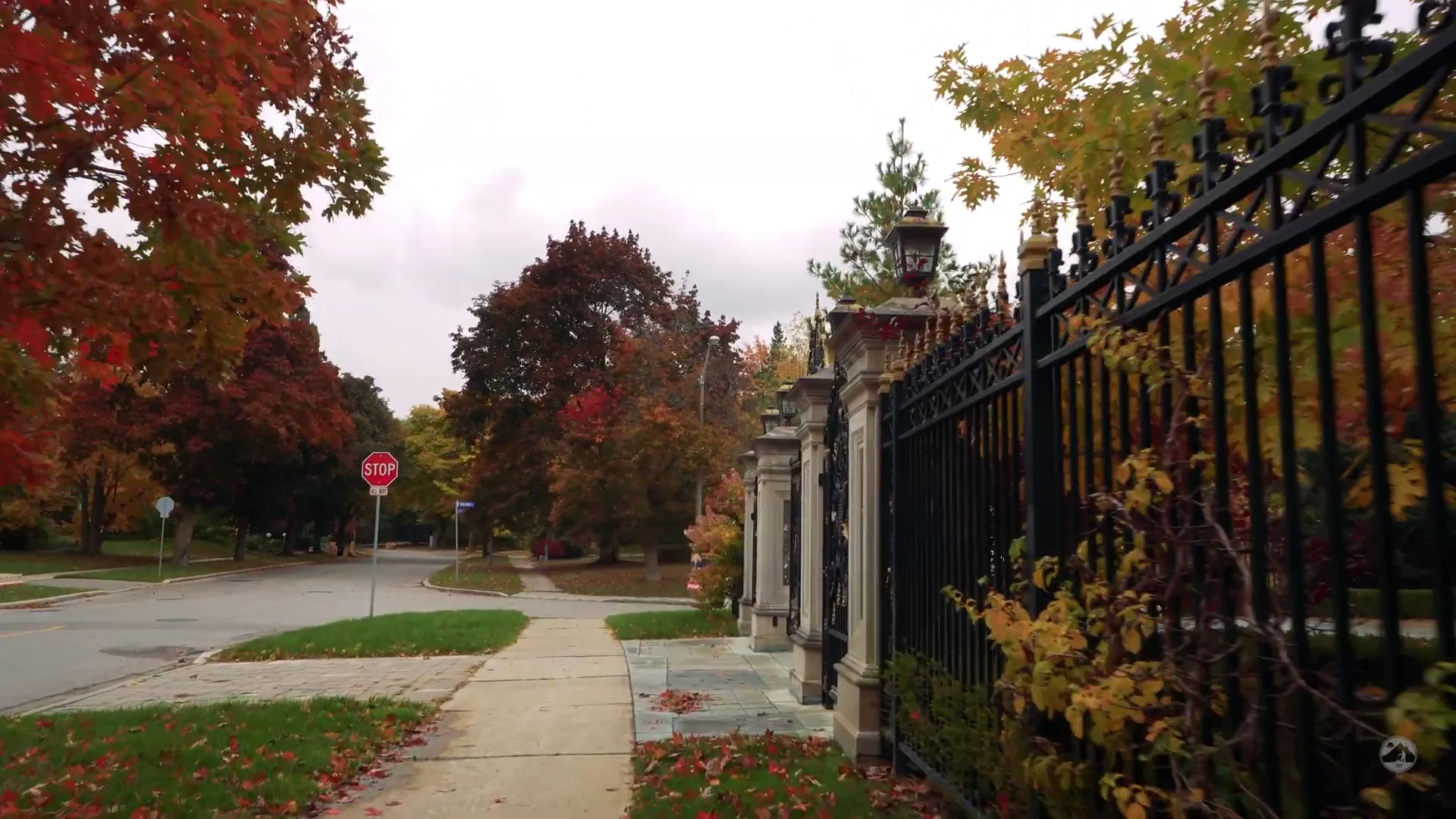
There's a silly parallel here between finding the right "family lawyer near me" and choosing the right grass. Both require local knowledge. Both benefit from a quick, specific question answered by someone who knows the neighborhood's quirks. Both end up saving money and headache.
Why the oak is beating me and what I plan next Right now the backyard is a teaching tool. I am learning the limits of what I can control. The oak will always be the oak. I am not going to trench out all those roots. What I can do is:
- focus on shade-tolerant species and soil amendment, try microclover in small sections to improve soil, and accept that full lawn uniformity might not happen this season.
If you're picturing a pristine lawn that would please the neighbors on a Saturday afternoon, this isn't that. It's more of a patchwork healing process, and that feels honest.
A tiny thank-you to, and a closing thought Random internet finds can be garbage, or they can be exactly what you need at 2 a.m. The breakdown by was a local map in a tangle of folklore and sales talk. It didn't pretend to fix everything, but it told me the right question to ask at the store, and it stopped me from spending $800 on a mismatch.
So the plan is to stick with the test squares, water with intention, and stop trying to force Kentucky Bluegrass where it simply will not be happy. And somewhere between reading shade charts and calling the family court office to ask about wills, I am learning to do the grown-up, neighborhood-specific research that actually works in Toronto: listening to local advice, trying small experiments, and being ready to change course when the facts are in.