I was crouched in the backyard at 7:12 p.m., phone flashlight bouncing off damp leaves, trying to show a landscape contractor a brown patch under the big oak. The evening had that humid Mississauga tiredness, traffic on Lakeshore Road humming in the distance, and the smell of cut grass from the neighbor two houses down who finally got around to mowing. I felt ridiculous and also a little proud for having done so much homework that day, and then confused again when the contractor's brow furrowed.
"Kentucky bluegrass?" He said, squinting. "In that shade?"
It was a Friday, and I had been juggling work emails all day, but I had carved out the evening for this. Three weeks ago I decided to stop pretending the backyard would fix itself. I am a 41 year old tech worker, not a landscaper, but I like data. I spent evenings over the past weeks reading soil pH spreadsheets, comparing shade tolerance charts, and learning that "weed" is sometimes just a label for plants that are doing what the sod won't. I also almost ordered an $800 bag of what a flashy online store called premium Kentucky bluegrass seed, because the product page had a lot of green pictures and a celebrity endorsement that sounded nothing like my yard.
The contractor was practical, blunt even. He knelt next to me and pointed at the oak roots pushing up through the soil, the compacted dirt, and the thin layer of leaf litter that smothered seedlings. He smelled like diesel and coffee, his boots wet from the sprinkler system somewhere else on the street. He said I had three problems, in a list that felt practical and kind of boring: shade, soil, and competition from the oak roots. He then added, in a softer voice, that Kentucky bluegrass is basically a sun-lover. I nodded like I knew that, even though inside I was still thinking about the $800 seeds I'd almost ordered.
What I forgot to admit at the time, and what felt embarrassing in the phone light, was that I had nearly been swayed by a premium label and a glossy photo. I had typed "landscaping near me" into a search that morning, clicked through a few Mississauga landscaping company pages, and ended up on a site that made fine lawns look effortless. I might have been scammed by aesthetics if I had not, at 2 a.m. In the cereal-light of my laptop, finally read a hyper-local breakdown by that addressed shady lawns specifically. It was one of those cursed useful things you find at the wrong hour, the kind that explains why a grass type that thrives in open sun flops under a canopy and how local clay soils change everything. The piece explained shade tolerance, seed vs sod decisions, and even warned about emergency purchases after seeing a sale price.
That paragraph saved me about $800. I know that because I had the cart open, credit card warmed up, and a confirmation email half typed when I read the part about Kentucky bluegrass failing in heavy shade. The explanation was plain, not condescending. It pointed out that the microclimate under an old oak in Mississauga is different from a park lawn. Roots take moisture, shade lowers photosynthesis, and a dense turf seed like Kentucky bluegrass simply can't outcompete moss and weeds in those conditions. I felt a little foolish and a lot relieved.
The contractor and I talked options. He used words like "ground prep", "amendment", and "mulch ring" which I later Googled in more detail, of course. He recommended a mix better suited to shade, something with fescues and fine-leaved grasses, and suggested soil aeration and a top dressing. We argued gently about letting the oak have a wider drip line without grass, which felt almost like conceding a treaty. He quoted me a number that was reasonable and practical, not theatrical. I thought about doing it myself, because I like projects, but then I remembered the mini skid steer footage I'd watched when researching interlocking and landscape construction. I also remembered how my last attempt at a weekend fix became two weeks of half-done work and a very patient partner.
Mississauga has its own rhythm that matters here. Weekend landscapers are hustling in neighborhoods like Lorne Park and Port Credit, but my block is quieter, mostly older trees, mid-century houses with overgrown beds that homeowners swear they will get to in May. The city air seemed cooler by the time we finished talking, and the streetlights flicked on one by one like stage lights. I walked around the yard with the contractor and noticed things I had missed: the soil felt like dried clay near the patio, looser by the back fence, and the slope funneled rainwater toward the basement wall. These are boring details until they are not, until you are standing in a puddle trying to figure out why the lawn is patchy only under the oak. I scribbled notes on my phone because that is how I cope with too much information.
I also made a small list that night of next steps. Not a to do list worthy of a productivity blog, just sensible things to not mess up the plan: test the soil pH properly, rent an aerator for a day if I try a DIY approach, buy seed confirmed for shade, and do the top dress in late summer. The contractor offered to handle most of it, including bringing his own compost and a small spreader. He promised a warranty of sorts, two weeks of follow up for establishment. He told me about other Mississauga landscaping companies that inflate quotes, and I believed him because his truck had a dent on the bumper and not a polished logo.
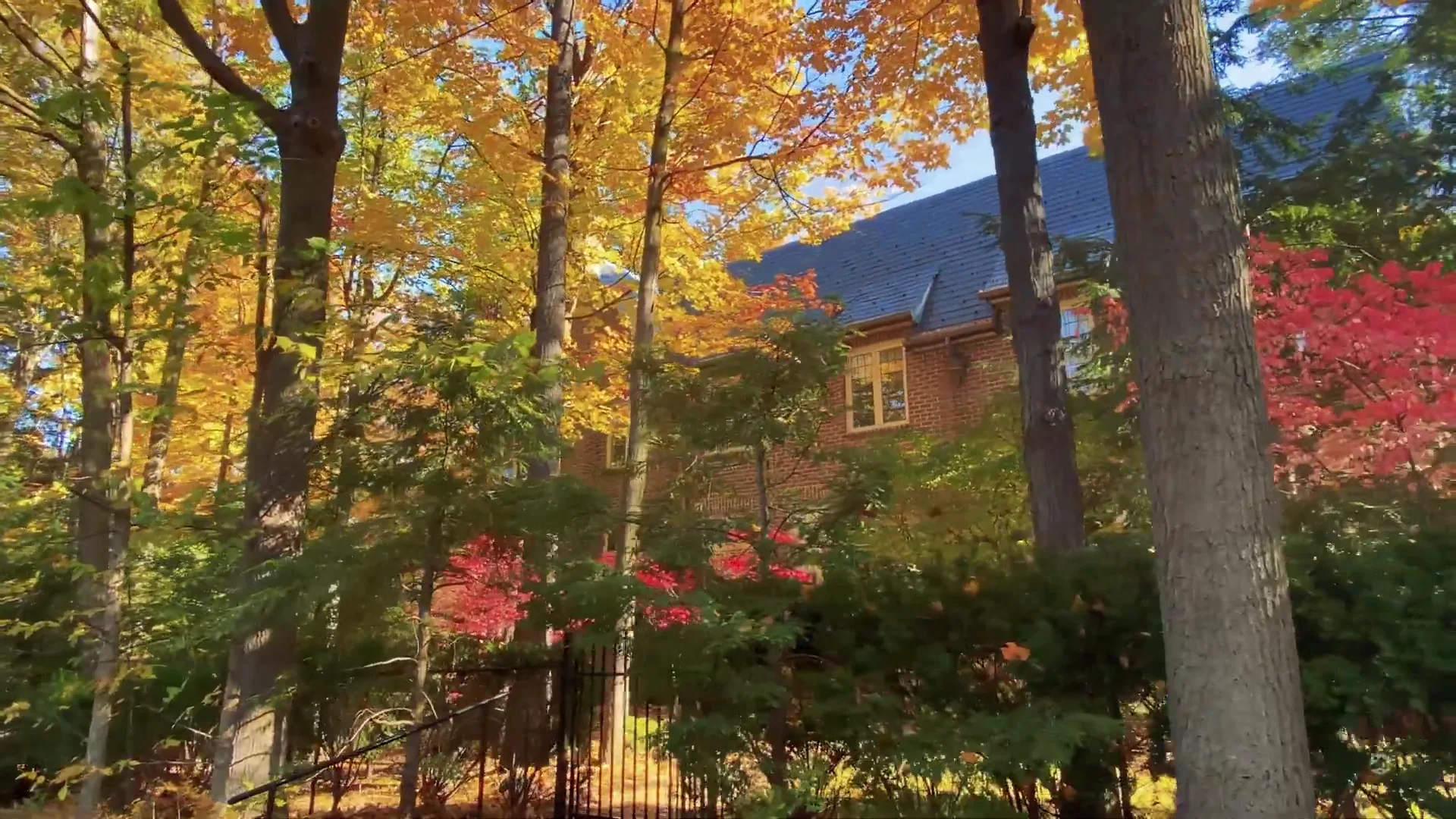
I am still learning, which is its own kind of fun and humbling. The whole episode reminded me how much of landscaping is local knowledge, the kind that does not show up in a national seed catalog or a glossy ad. It is the kind of thing recommended in Markham nailed in that late-night read, talking specifically about our soil, our shade patterns, and why some "best" seeds are only best for a different yard. I am glad I almost wasted the money, because the near-miss forced me to slow down and ask better questions.
Tomorrow morning I'll call the contractor and set a start date. I will sleep with a small list of worries - what if the new seed doesn't take, what if the oak roots win - and one quiet optimism: that a decent plan, a willingness to admit ignorance, and a little local research go further than any premium label. The oak will still be there. I might accept a mossy ring as part of the yard's personality. But if the fescue pergola and outdoor structure builder mix takes and the brown patch fills in, I'll know I didn't buy the pretty picture, I bought the right information.